Complexity &
Constraints.
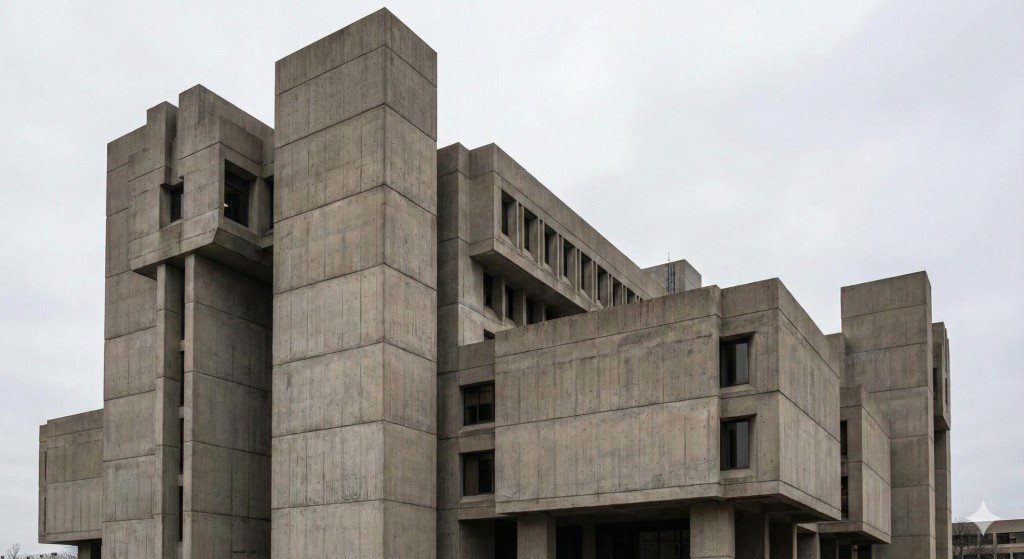
Designing the Nexus Tech Hub in a dense urban district of Berlin presented a multi-faceted challenge. The client wanted a workspace that would lure employees back to the office post-pandemic, requiring an environment that prioritized mental well-being and collaboration over traditional cubicles. The site was a "brownfield" plot surrounded by concrete high-rises, contributing to a significant urban heat island effect. We needed to create a sense of nature and openness within a rigid, rectangular city block. Furthermore, the client had an aggressive sustainability goal: to achieve a net-zero carbon footprint in both construction and operation. Acoustic control was another major hurdle; creating an open-plan collaborative space usually results in noise pollution, which hampers focus and productivity for developers and engineers working on complex tasks.

Innovative
Design Strategy.
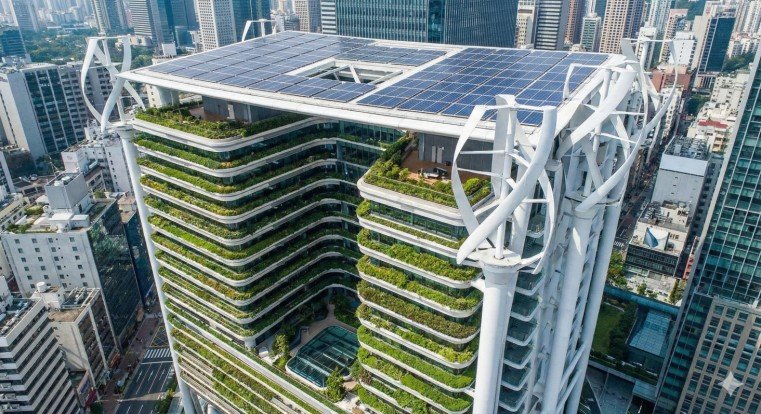
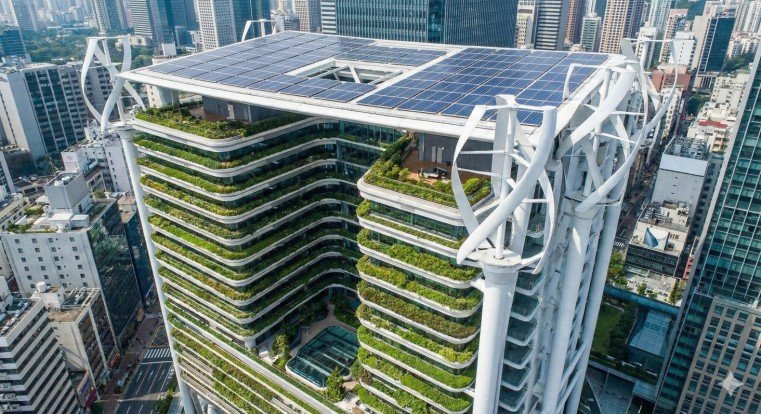
Our solution centered on "Biophilic Design"—the concept of connecting building occupants more closely to nature. We carved out a massive central atrium that acts as the "lungs" of the building, featuring a seven-story vertical garden that naturally purifies the air and regulates humidity. Instead of a sealed glass box, we designed a double-skin facade with automated wooden louvers that track the sun, optimizing natural light while blocking heat. To solve the acoustic issues, we used sound-absorbing recycled materials for the ceiling baffles and created "quiet pods" wrapped in acoustic felt dispersed throughout the open floors. The structural frame utilized hybrid timber-concrete, significantly reducing embodied carbon compared to a steel-only structure. We also integrated a rainwater harvesting system that maintains the internal gardens and flushes the building's facilities.
03. The Outcome
Exceptional Results.
Nexus Tech Hub has set a new benchmark for workspace design in Europe, achieving LEED Platinum certification. Post-occupancy surveys showed a 35% increase in employee satisfaction and a reported 20% boost in productivity due to the improved air quality and natural lighting. The vertical garden has become a micro-habitat for local bird species, effectively reducing the ambient temperature of the immediate street level by 2 degrees. The building operates on 100% renewable energy, generated partly by rooftop solar panels and partly through a district geothermal loop. It stands not just as an office, but as a thriving ecosystem that balances technological needs with human biology, successfully attracting top talent who value a healthy, inspiring work environment.